
Skip to content
Back to Fractional CDO
Fractional CDOFractional CDO · When design needs to move upstream

Design Strategy Consultant

For teams that do not need prettier output. They need better decisions about what design should focus on and why.

Design strategy work becomes necessary when a company keeps producing activity but struggles to connect design effort to business movement, user outcomes, and product direction.

Working with Vitali is educational, pleasant and inspiring. He's a great personality and a true creative professional.

Timo TaivaskeroTeam Manager, Visma, #1 E-Signing Platform in Nordics
#1 E-Signing Platform in Nordics
Signals from shipped work
Product DesignScale-upB2B SaaS

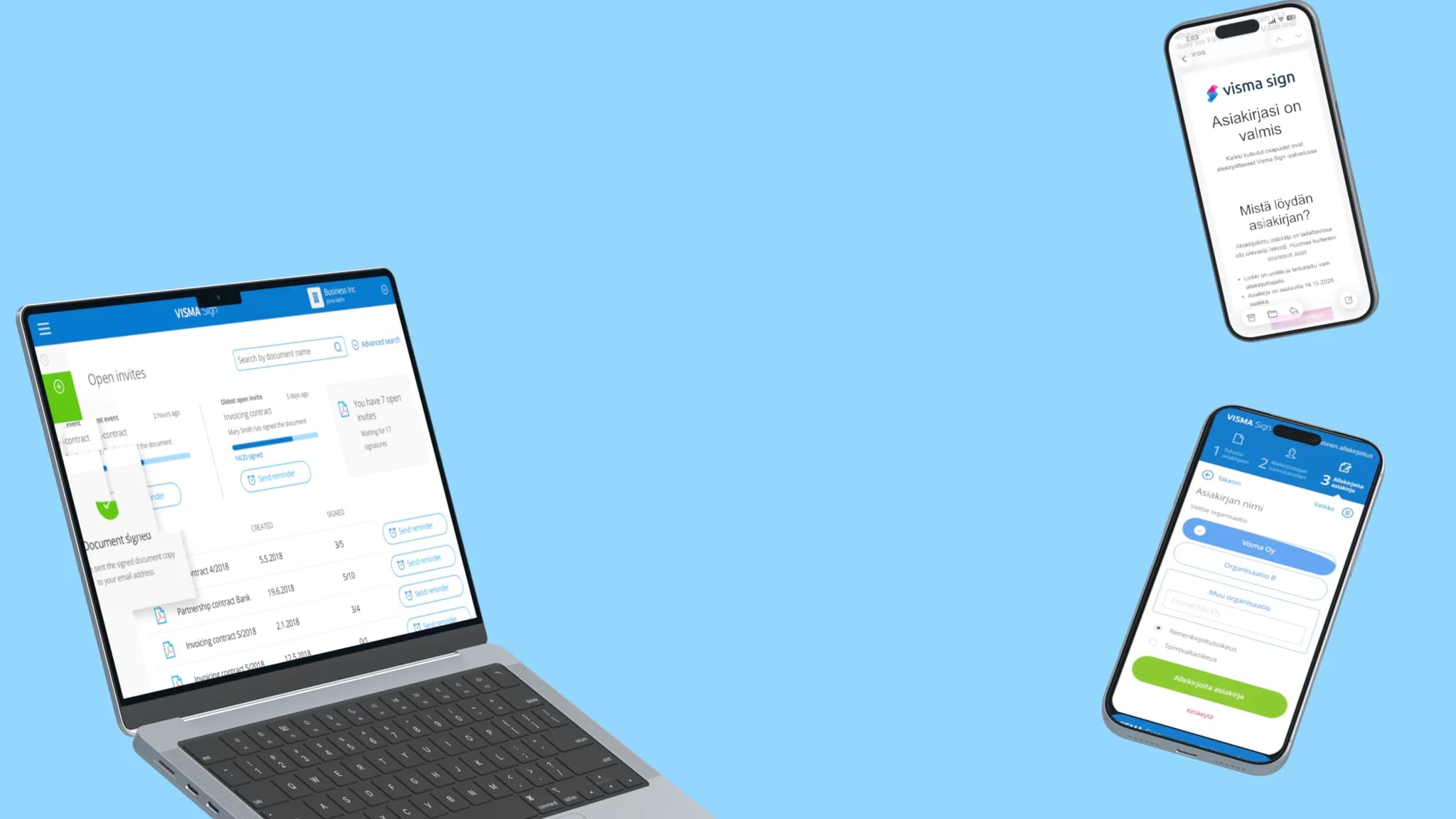
Visma Sign

#1 E-Signing Platform in Nordics

#1 position in Nordic e-signing market

Read the case study
Workshop or product outcome from previous work
Project context

Artifacts, interfaces, and workshop material from the kind of work this page is about.

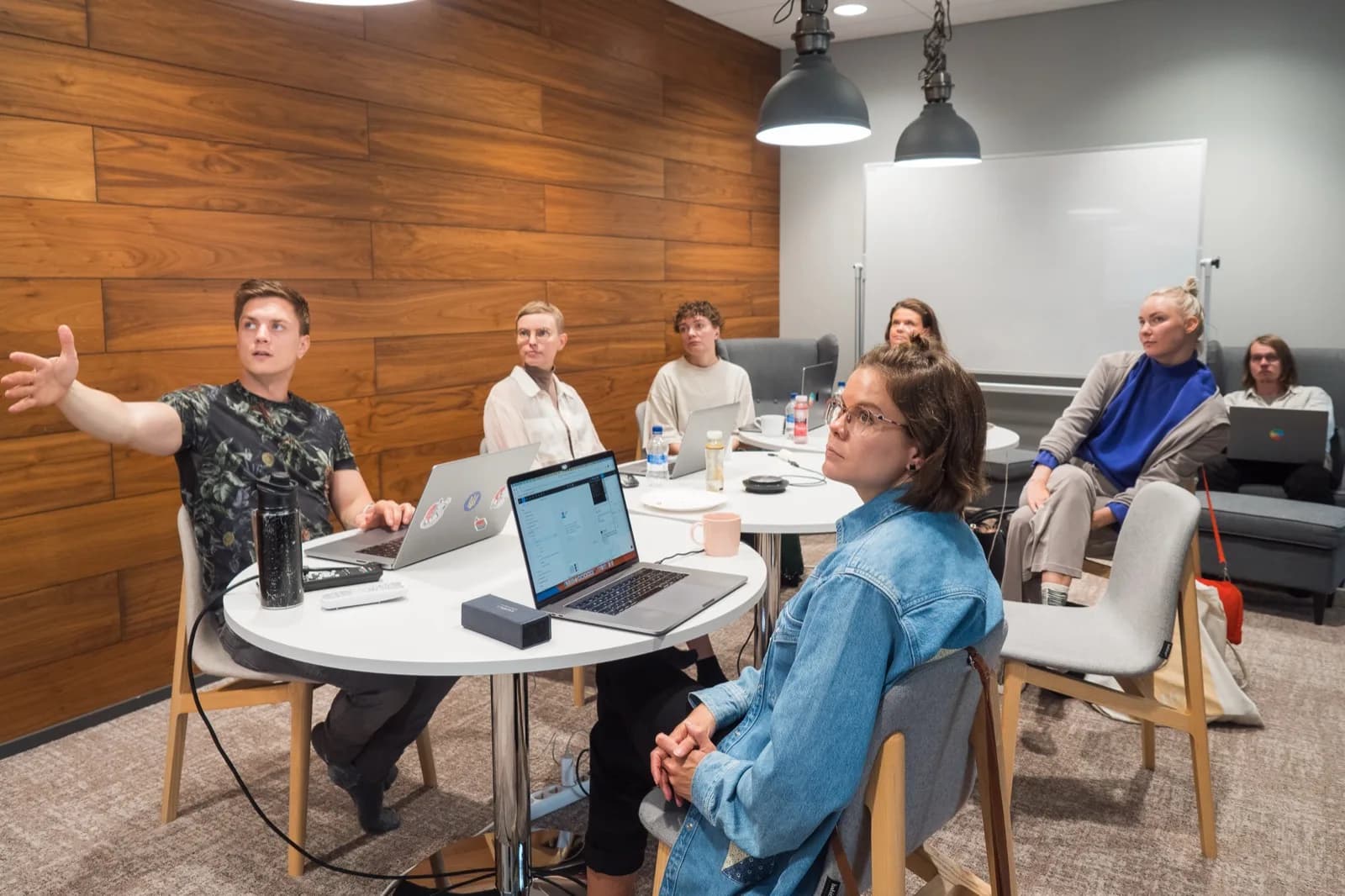
Vitali Gusatinsky working with a team
Who leads it

Vitali facilitates the room, frames the decision, and keeps the work close to the evidence instead of presentation theatre.

Visma Sign

2M+ signers, 50K+ orgs

#1 E-Signing Platform in Nordics

Vandall

€550K raised, paying customers

Infrastructure Layer for the Music Industry

Engineering Software Company

1 week saved per user per month

The Two-Year Mistake

Trusted by teams at

Where this starts to hurt

What starts showing up

These are the patterns that usually appear before a team admits the direction is under-questioned.

01

Design is busy, but business stakeholders still see it as downstream execution.

02

Multiple initiatives compete for attention without a clear strategic filter.

03

Research exists, but it is not changing priorities or shaping resource decisions.

04

Teams discuss quality, but not direction.

Fit check

This is for the team that wants a real answer

The work is useful when there is an expensive decision ahead and enough honesty in the room to let evidence change direction.

Good fit

+

Your team is producing a lot of work but priorities still feel noisy or reactive.

+

Leadership wants design to matter more strategically but the operating model is unclear.

+

You need a stronger framing for where research, product, and design should focus next.

+

There is real ambition, but too much of the work is still driven by momentum and habit.

Not the right format

-

You only need visual execution support.

-

Leadership wants strategy language without changing real priorities.

-

The team is too early and needs basic product validation first.

What changes

Outcomes you can point to

The point is not abstract insight. It is a smaller and more confident next move.

01

A clearer definition of what design should influence and where it should stop.

02

Sharper prioritization across opportunities, problems, and initiatives.

03

Better alignment between user evidence, business goals, and product choices.

04

A more credible role for design in leadership conversations.

How the work moves

A short decision cycle, not a research maze

This is structured to surface signal early, while the cost of changing course is still low.

1

Step 1

Audit how decisions are currently made and where design influence breaks down.

2

Step 2

Clarify the strategic questions the team actually needs to answer.

3

Step 3

Use evidence, not fashion, to define design priorities.

4

Step 4

Turn strategy into operating behavior, not a document nobody uses.

Quick fit check

If this page sounds uncomfortably familiar, take the quiz before you commit more budget.

The quiz is the fastest way to tell whether this is the right format, whether another route makes more sense, or whether the team simply needs execution support.

Your team is producing a lot of work but priorities still feel noisy or reactive.

Leadership wants design to matter more strategically but the operating model is unclear.

You need a stronger framing for where research, product, and design should focus next.

Proof

Evidence from shipped work

These offers are anchored in actual projects, real stakeholder rooms, and visible change afterward.

#1 E-Signing Platform in Nordics

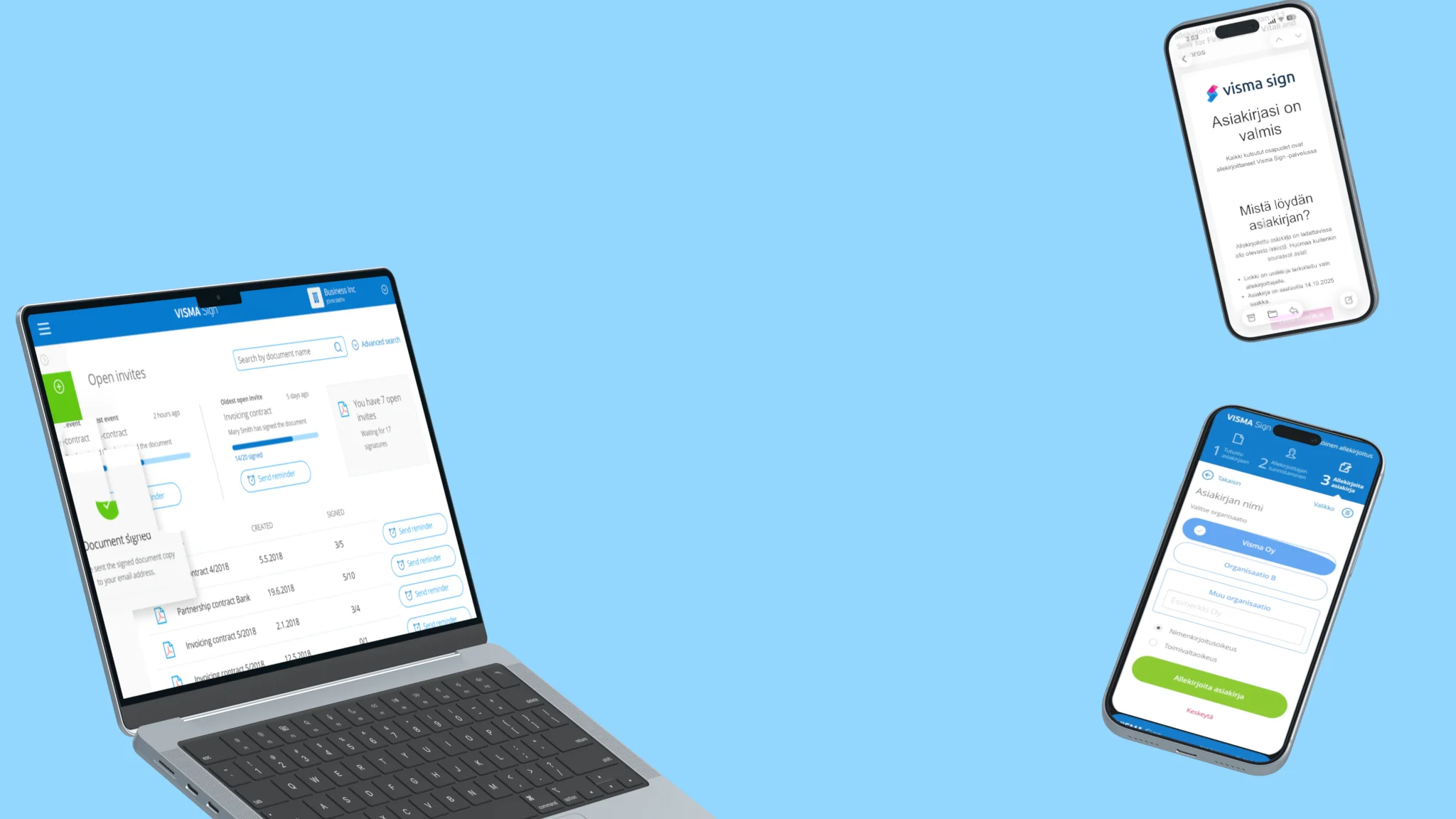
Visma Sign

#1 E-Signing Platform in Nordics

Enterprise customers needed advanced capabilities. New markets were opening across the Nordics. EU regulations like eIDAS kept raising the bar. All while keeping the experience simple for everyday users sending a single document.

User-centric research: interviews with users, customer service agents, and stakeholders
Core signing flow redesign and PDF preview feature
Onboarding and account creation rework to reduce friction
See the full breakdown
Working with Vitali is educational, pleasant and inspiring. He's a great personality and a true creative professional.
Timo TaivaskeroTeam Manager, Visma, #1 E-Signing Platform in Nordics
If you built this, it would save us a week per month.
CustomerEngineering firm user, The Two-Year Mistake
Working with Vitali made me a better product thinker. He doesn't get distracted by noise. He finds the real problem, articulates it clearly and then moves fast. What sets Vitali apart is not only his design capability, but his ability to teach while doing.
Anna-Mari JääskeläinenProduct Lead, Seppo
Deeper read

What this looks like in practice

Below is the fuller breakdown of where leadership support changes momentum, how the work embeds with product teams, and what usually shifts first.

Most companies do not have a design execution problem.

They have a design direction problem.

The work gets done. Screens get made. Workshops happen. Research appears in slides. But when you zoom out, the bigger question stays fuzzy:

What is design actually helping the business do?

If that question does not have a clear answer, design becomes expensive activity. Useful in places, frustrating in others, and too easy to push aside when pressure rises.

That is the point where a design strategy consultant becomes useful.

Design strategy is not a trend deck

The phrase gets stretched to mean almost anything. Vision decks. moodboards. operating models. brand narratives. workshop language.

For me, the job is simpler and more demanding:

Design strategy is the work of deciding where design creates leverage, what problems are worth solving, and how that should change the way the team operates.

If the answer does not affect decisions, it is not strategy yet.

That means the work usually touches:

  • product direction
  • research priorities
  • design team responsibilities
  • collaboration with product and engineering
  • leadership expectations
  • capability building

In healthy teams, these pieces reinforce each other. In weaker systems, they drift apart.

What the gap feels like inside a company

It often sounds like:

  • “We are doing a lot, but it is hard to say what moved the needle.”
  • “Design should be more strategic, but nobody agrees what that means.”
  • “Research is useful, but it rarely changes the roadmap.”
  • “The team is stretched across too many priorities.”

These are strategy symptoms.

Not because nobody is smart. Because nobody has created a clean enough frame for how design effort should connect to user problems and business decisions.

The Visma Sign journey is a good example of what the opposite looks like. Over a long engagement, design was not limited to interface work. It influenced enterprise feature evolution, onboarding, product direction, and eventually the team’s own internal capability. That is design operating strategically. Not as a service desk. As a contributor to the company’s trajectory.

Where design strategy consulting becomes valuable

Usually in one of three situations.

1. The company has grown past intuition

What worked when the team was smaller no longer works now. Informal alignment breaks down. Decisions get slower or more political. Design influence becomes inconsistent.

2. Leadership wants more from design

But the team has not been set up for that. There is no shared language for what “strategic” means in day-to-day work.

3. The team is busy but not focused

There is activity, but no sharp prioritization. Important work gets mixed with urgent noise. Design effort becomes spread across too many directions.

In each case, the core need is the same: better judgment upstream.

What the work usually involves

Not a giant strategy project detached from reality.

The useful version is grounded in live decisions and operating patterns.

That may include:

  • reviewing current initiatives and where design is truly influencing them
  • identifying recurring failure modes in research, prioritization, or collaboration
  • defining what design should own, influence, or stay out of
  • helping leadership connect user insight to business priorities
  • coaching the team so strategy shows up in practice, not just vocabulary

This is also why I do not separate design strategy from how a team works. If the operating behavior stays the same, the strategy will decay quickly.

The engineering-company example proves this from the negative side. The absence of strong strategic product direction meant years of output piled up without the right validation. Once user-informed methods entered the system, the team’s operating model changed. That is strategy becoming behavior.

Why outside perspective matters here

Because companies are bad at seeing their own gravity.

What feels normal internally may be exactly what is limiting the team:

  • design brought in too late
  • leadership using design language without decision change
  • research disconnected from prioritization
  • teams protecting old assumptions because too much has already been invested

An outside strategist can name those patterns faster because there is no need to defend them.

The value is not fresh buzzwords. It is pattern recognition plus enough distance to call the real issue.

That is especially important now, when AI tools are making output cheaper and faster. If direction is weak, faster output just means you can move in the wrong direction more efficiently. Strategic design matters more, not less, in that environment.

What you should get from the engagement

You should leave with more than a clearer narrative.

You should see:

  • sharper priority decisions
  • a more credible role for design in leadership conversations
  • clearer expectations for the design team
  • better use of research and validation
  • less wasted effort around the wrong bets

This work is for companies that already know design matters. They just need it to matter in the right places, with more consequence.

That is what design strategy consulting is for: not making design feel important, but making it useful where the business actually moves.

FAQ

Questions that usually come up

The practical questions tend to be less about process and more about timing, scope, and how much certainty a team actually needs.

Related problems

Other ways this service tends to show up

The same service often enters from different angles. These pages are the adjacent decision points.

Curious if we're a fit?

A short quiz. Takes 2 minutes. Helps us both figure out what kind of help might work for your situation.

If there's a fit, you'll be able to book a time immediately. Sometimes the answer is "you don't need me" — and I'll tell you that too.