


The strange thing about internal tools is that everybody agrees they matter and almost nobody treats them like a real product.
The customer-facing app gets design reviews, roadmap attention, performance work, and serious product discussions.
The tool the team uses all day to keep the business running?
Usually a spreadsheet, an old admin panel, an inbox, a workaround, and a prayer.
That is expensive.
Not just in time. In quality, morale, and decision speed.
Internal tools are where hidden waste lives
Many companies describe the problem as inefficiency. That is true, but too soft.
What is really happening is that people are spending their expertise on information movement instead of judgment.
They are:
- copying data between systems
- translating one format into another
- searching for documents that should be easy to find
- manually checking conditions a tool should surface automatically
- compensating for workflow gaps with personal memory
The company pays for skilled people, then asks them to do glue work.
That is why internal tools deserve serious design attention.
The right question is not “what should the interface look like?”
It is:
What decision is this tool supposed to make easier?
That shift matters because bad internal tools are often built around data structure instead of human work.
The database makes sense. The form fields exist. The process technically functions. But the person doing the work still has to fight the tool to get through the day.
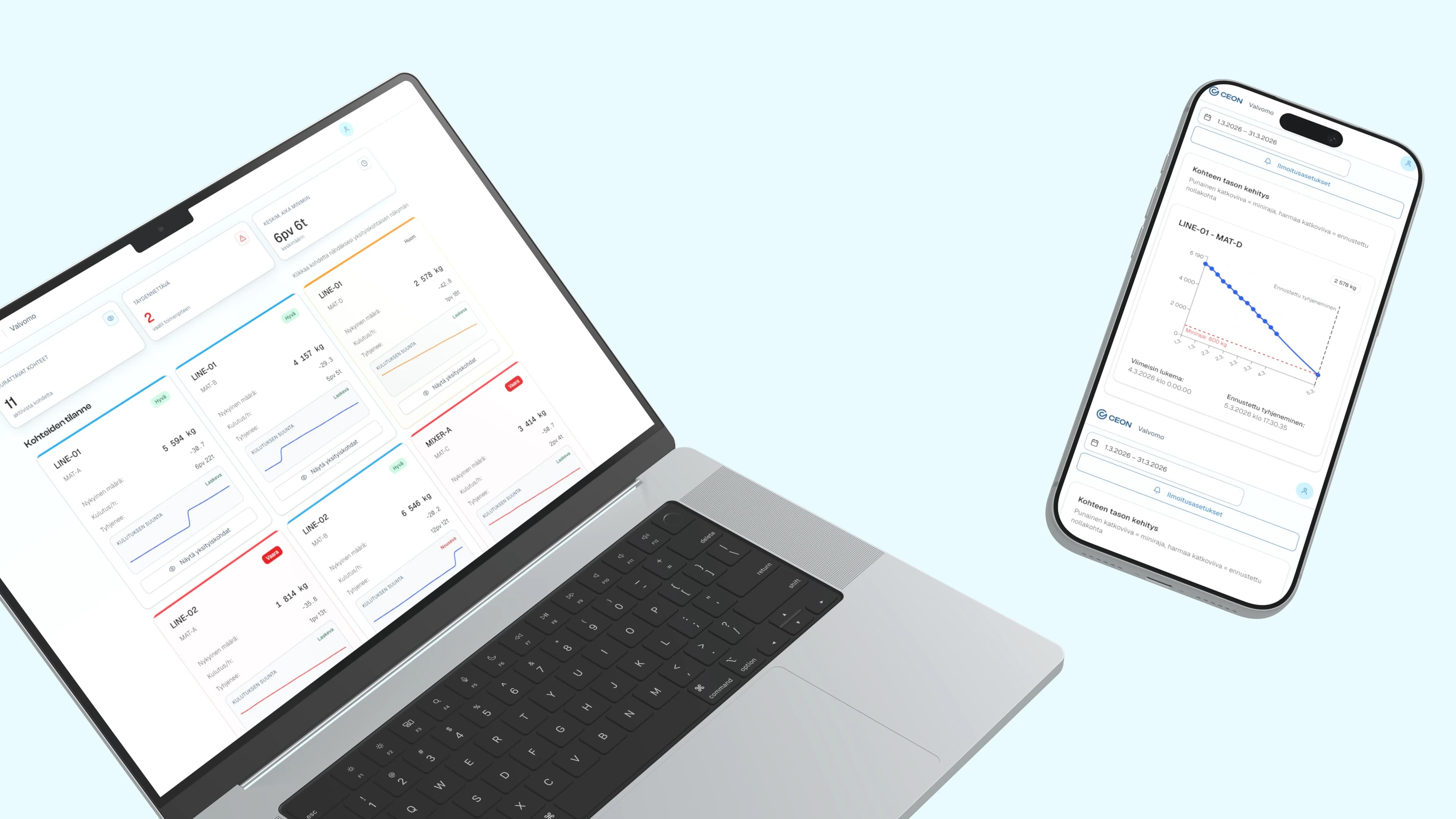
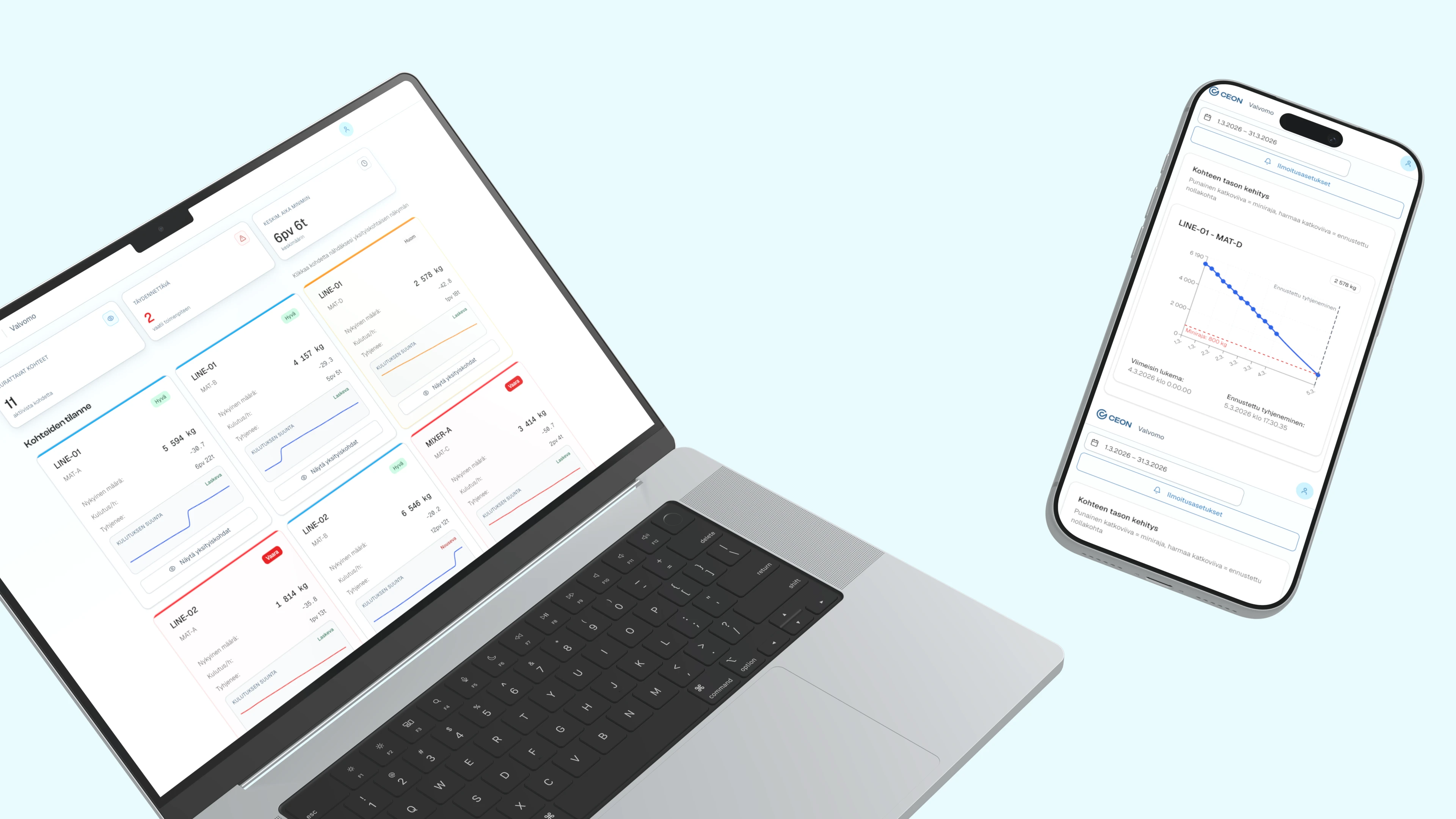
The silo-monitoring case study is a perfect example. Fill-level reports arrived by email every six hours. Structured data, reliable signal, clear downstream action. Yet a human still had to open the emails, extract numbers, and maintain Excel by hand. The decision at the end was simple: deliver more material or not. The process to get there was absurdly manual.
The internal tool opportunity was not “make a prettier dashboard.” It was “remove the copy-paste loop and make the real decision visible.”
Why internal-tool consulting helps
Because teams inside the company often know the pain too well to reframe it.
They normalize workarounds.
They say things like:
- “That’s just how this report is done.”
- “We always have to check that manually.”
- “The data lives in three places.”
- “It only takes a few minutes each time.”
But when you multiply those minutes across days, people, and business risk, the cost becomes obvious.
An internal-tools consultant helps surface three things:
- the real workflow
- the actual bottleneck
- the smallest useful redesign path
That usually means process mapping before interface design.
What the redesign work needs to capture
Good internal-tool work pays attention to:
- where information comes from
- who needs to act on it
- what exceptions break the flow
- what context people need to make a decision
- which parts can be automated and which require human judgment
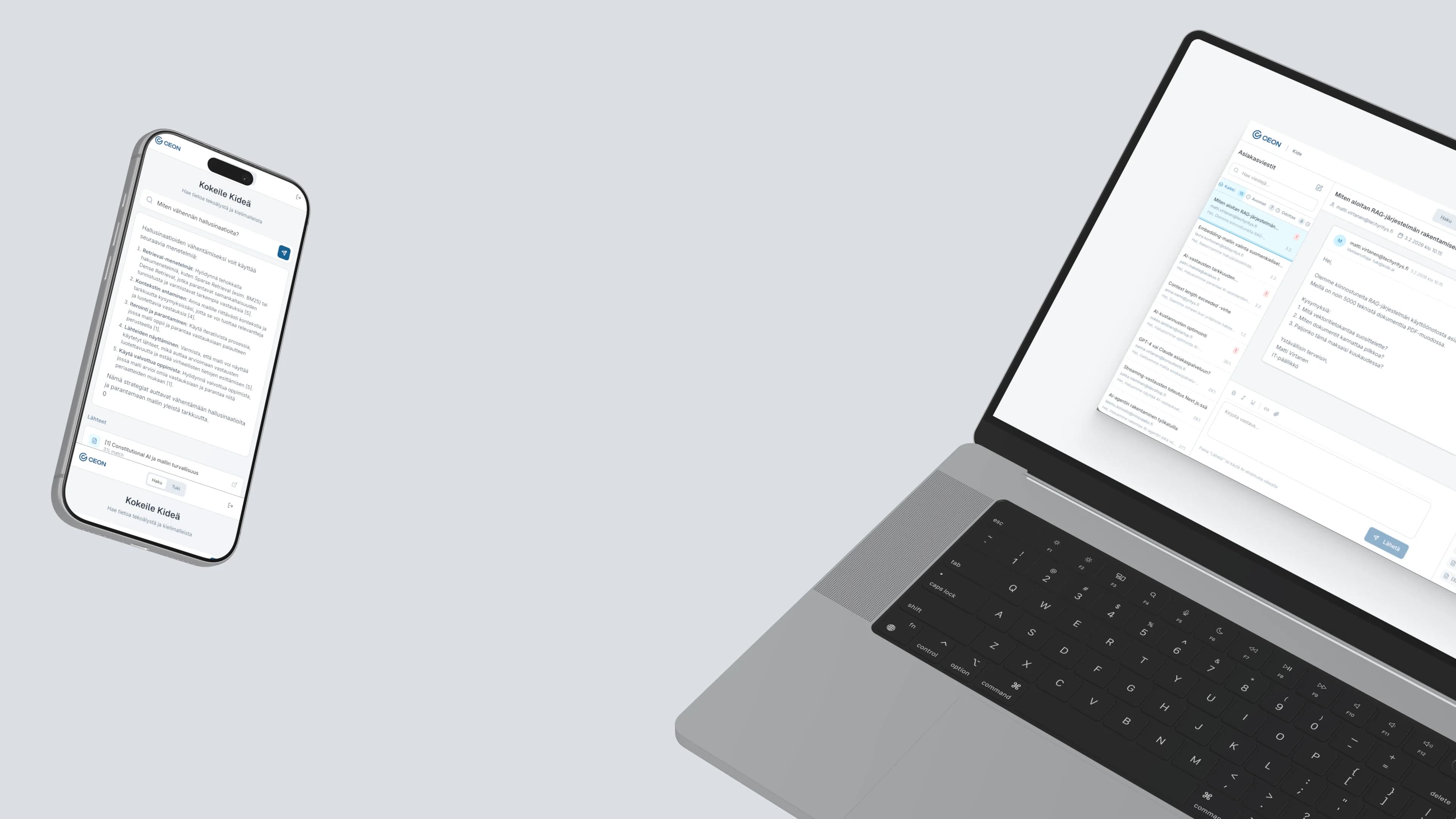
The industrial-documentation search case makes this very clear. Support people were spending fifteen minutes searching for drawings and documents, sometimes much more across a full request cycle. The visible need sounded technical: better search. The actual need was operational: let experts spend time helping customers instead of hunting for files.
That reframing changes the solution.
AI can help, but only if the workflow is clear
Internal tools are one of the places where AI can create immediate value. But only when the operational job is already understood.
AI is useful when it helps:
- retrieve information faster
- summarize messy inputs
- surface likely answers
- reduce repetitive categorization
- make hidden patterns visible
It is not useful when it is slapped onto a broken workflow and expected to create clarity by itself.
That is why I prefer starting from the job to be done, then choosing the tool shape second.
What you should expect from the work
At the end, you should have:
- a clearer picture of the current workflow
- a redesigned flow that removes unnecessary manual work
- a prototype or concept the team can react to
- a practical path toward implementation
And ideally, a change in how the company talks about internal systems.
Because these tools are not side quests. They are often where the company’s real operational quality lives.
If your team is still doing essential work through inboxes, spreadsheets, and workarounds, the problem is not minor. It is simply hidden because the customer does not see it directly.
That is exactly why it is worth fixing.