
Skip to content
Back to Service Transformation
Service TransformationService Transformation · Make the invisible visible

Service Blueprinting Consultant

Map what really happens across teams, systems, and touchpoints, then redesign the parts that keep the service from working.

When nobody sees the whole service, every team optimizes its own piece and the customer still gets a broken experience. Blueprinting makes the full system visible enough to redesign.

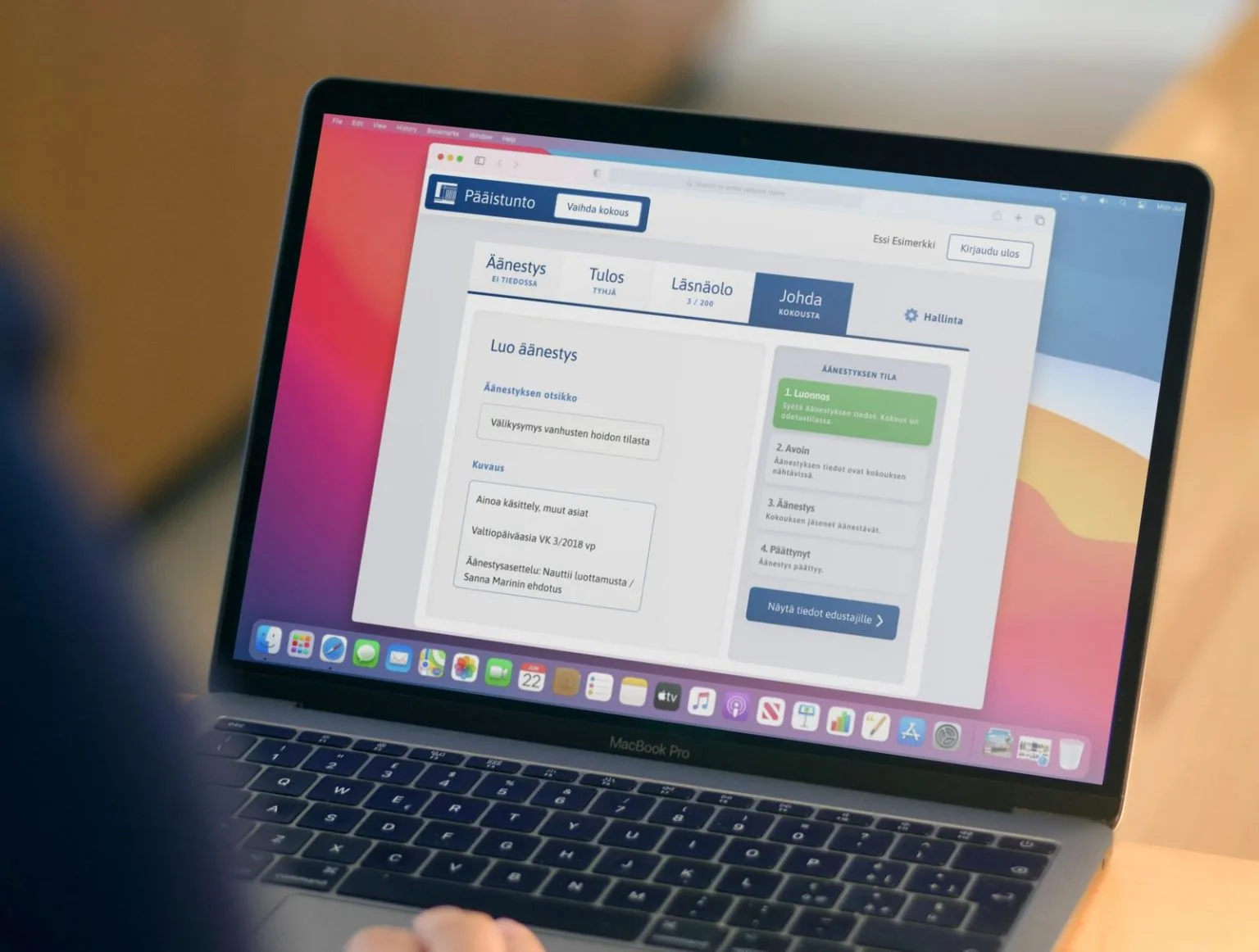
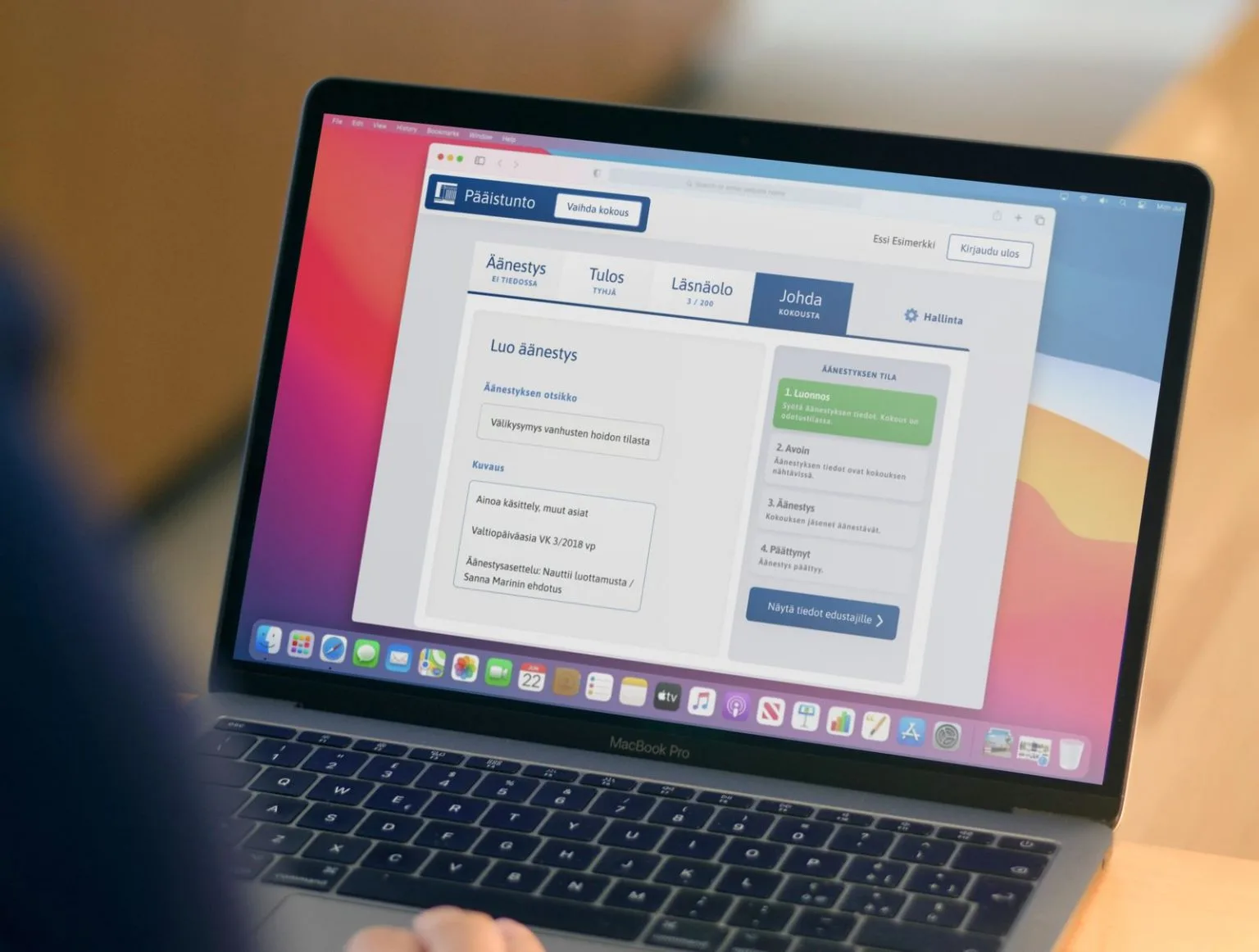
A viable, carefully considered solution. A complete UI prototype with processes, incorporating all Parliament feedback.

Harri KoponenVisma Solutions / Parliamentary advisor, Digitizing Democracy in 24 Hours
Digitizing Democracy in 24 Hours
Signals from shipped work
SpeedGovernmentCrisis Response

Parliament of Finland

Digitizing Democracy in 24 Hours

Complete Figma prototype delivered in under 24 hours

Read the case study
Workshop or product outcome from previous work
Project context

Artifacts, interfaces, and workshop material from the kind of work this page is about.

Vitali Gusatinsky working with a team
Who leads it

Vitali facilitates the room, frames the decision, and keeps the work close to the evidence instead of presentation theatre.

Avate ry

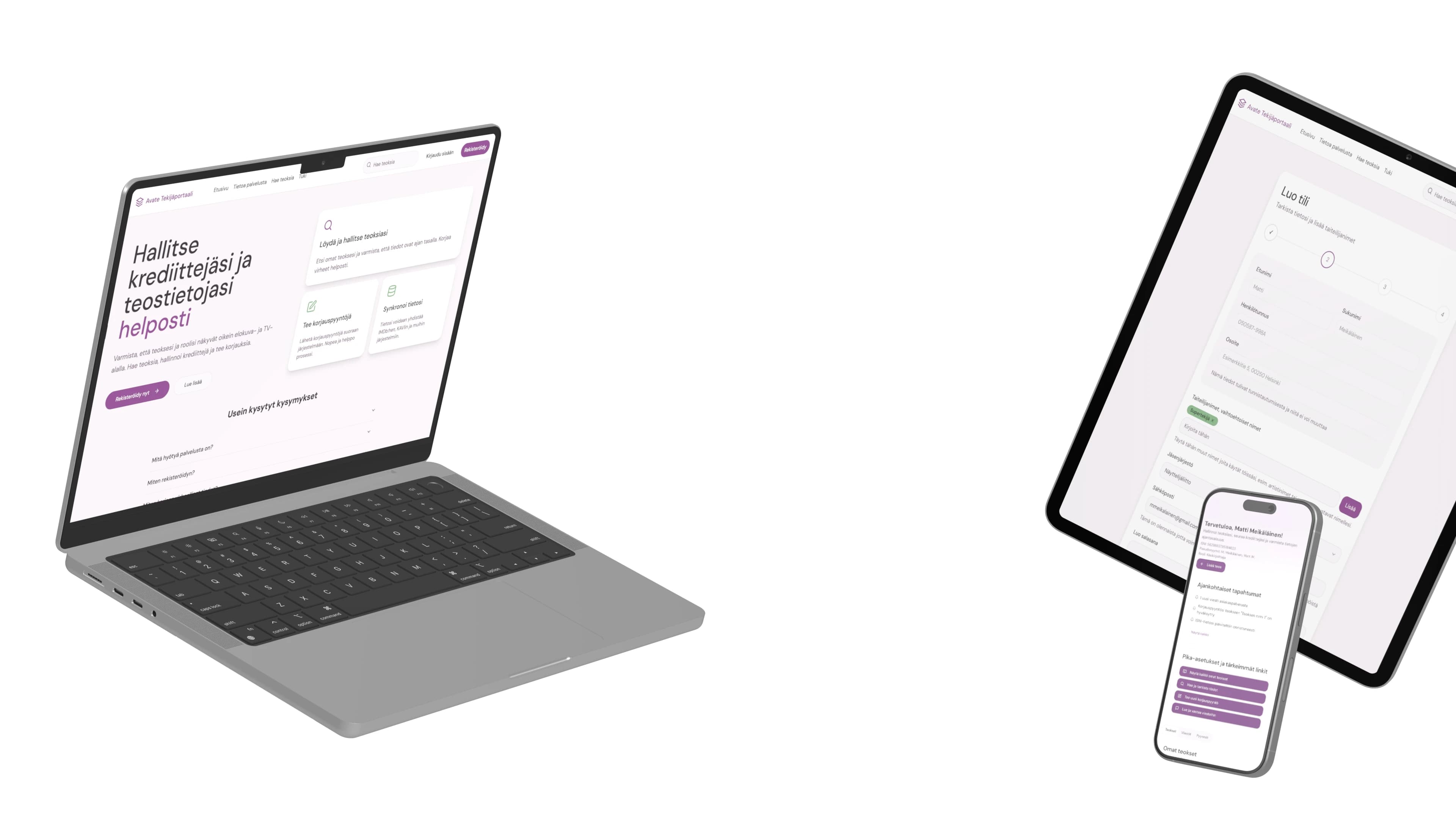
3 user groups, 1 portal

Creator Portal for Audiovisual Rights

Parliament of Finland

Influenced Parliament rule change

Digitizing Democracy in 24 Hours

Engineering Software Company

1 week saved per user per month

The Two-Year Mistake

Trusted by teams at

Where this starts to hurt

What starts showing up

These are the patterns that usually appear before a team admits the direction is under-questioned.

01

Customers feel the seams between internal teams.

02

Nobody can clearly explain the full journey from request to delivery.

03

Different departments blame each other because the handoffs are invisible.

04

Improvement work keeps targeting symptoms because the underlying system is unclear.

Fit check

This is for the team that wants a real answer

The work is useful when there is an expensive decision ahead and enough honesty in the room to let evidence change direction.

Good fit

+

Your challenge spans multiple teams, systems, or handoffs.

+

The customer experience breaks down because the organization is fragmented behind the scenes.

+

You need a shared model of the service before deciding what to redesign.

+

Leadership is willing to involve operations, product, and customer-facing teams together.

Not the right format

-

You only need a quick UX improvement to one screen.

-

Teams are not willing to expose how the service actually works today.

-

You want a document for presentation, not a tool for redesign.

What changes

Outcomes you can point to

The point is not abstract insight. It is a smaller and more confident next move.

01

A visual map of the service that teams can use to make decisions together.

02

Clearer understanding of where customer pain connects to backstage operations.

03

Shared priorities for redesign rather than disconnected local fixes.

04

A stronger foundation for prototyping, process change, or service transformation.

How the work moves

A short decision cycle, not a research maze

This is structured to surface signal early, while the cost of changing course is still low.

1

Step 1

Map the service end to end, including visible and invisible work.

2

Step 2

Bring multiple functions into the same picture, not separate versions of it.

3

Step 3

Find the points where customer pain and operational friction are connected.

4

Step 4

Use the blueprint to decide what to change first and why.

Quick fit check

If this page sounds uncomfortably familiar, take the quiz before you commit more budget.

The quiz is the fastest way to tell whether this is the right format, whether another route makes more sense, or whether the team simply needs execution support.

Your challenge spans multiple teams, systems, or handoffs.

The customer experience breaks down because the organization is fragmented behind the scenes.

You need a shared model of the service before deciding what to redesign.

Proof

Evidence from shipped work

These offers are anchored in actual projects, real stakeholder rooms, and visible change afterward.

Digitizing Democracy in 24 Hours

Parliament of Finland

Digitizing Democracy in 24 Hours

How do you enable democratic processes when 200 MPs can't gather in the same room? And how do you do it fast enough to maintain government continuity? The brief arrived early in the day. It had to be ready by 5 AM the next morning.

Hours of regulatory and compliance research with parliamentary advisors before touching pixels
Wireframes and evening check-in with feedback
Overnight Figma prototype with two user paths: technical staff and representatives
See the full breakdown
A viable, carefully considered solution. A complete UI prototype with processes, incorporating all Parliament feedback.
Harri KoponenVisma Solutions / Parliamentary advisor, Digitizing Democracy in 24 Hours
If you built this, it would save us a week per month.
CustomerEngineering firm user, The Two-Year Mistake
Working with Vitali made me a better product thinker. He doesn't get distracted by noise. He finds the real problem, articulates it clearly and then moves fast. What sets Vitali apart is not only his design capability, but his ability to teach while doing.
Anna-Mari JääskeläinenProduct Lead, Seppo
Deeper read

What this looks like in practice

Below is the fuller breakdown of where operations or product workflows get stuck, what gets redesigned, and how the change becomes usable in practice.

Many service problems look like product problems from the outside.

The form is confusing. The response takes too long. People do not know what happens next. A request disappears into the organization and comes back later in a shape nobody expected.

But when you follow the issue deeper, the real cause is often not a single interface or team. It is the service itself.

That is why service blueprinting matters.

It gives the organization one shared picture of what is really happening across customer touchpoints, internal handoffs, backstage work, and support systems.

Without that picture, teams tend to redesign the visible symptom while the real failure stays intact.

Why organizations need blueprinting

Because most services were not designed as one coherent system.

They grew.

A process was added here. A tool was introduced there. One team optimized response time. Another optimized compliance. Another optimized revenue. Individually, the changes made sense. Collectively, the customer experience became fragmented.

The customer experiences the service as one thing.

The organization experiences it as separate functions.

That gap is exactly what a service blueprint exposes.

What the blueprint makes visible

A useful blueprint does not just show the customer journey.

It also shows:

  • frontstage interactions
  • backstage work
  • support processes
  • dependencies between teams
  • hidden bottlenecks
  • points where customer pain and operational friction are the same problem

That last part matters most.

If the blueprint only documents complexity, it is not enough. The real value comes when the team starts seeing that the customer complaint and the internal delay are connected. Or that a usability issue is really a workflow issue. Or that brand confusion is downstream of service inconsistency.

What the work is good for

Service blueprinting is especially useful when the challenge crosses boundaries:

  • digital + human touchpoints
  • product + operations
  • customer-facing teams + internal systems
  • brand promise + actual delivery

Avate’s creator portal is a good example. The project was not just about designing screens. It involved creators, production companies, administrative oversight, and external data dependencies around ISNI handling and archival systems. The workshops and prototype work exposed what mattered most across that service: correct credits, role clarity, and a portal that could serve multiple user groups without collapsing under its own complexity.

That is blueprinting logic at work. Making the whole service visible enough that the team can simplify the right thing.

Why many redesigns fail

Because they start too late in the chain.

Teams jump to:

  • new interface concepts
  • new messaging
  • new forms
  • new tooling

All of those can matter. But if nobody understands the service mechanics underneath, the redesign tends to improve presentation more than reality.

The blueprint slows that impulse just enough to get the system in view.

That does not make the work bureaucratic. It makes the redesign sharper.

Why outside facilitation helps

Blueprinting usually touches organizational truth, which means it touches politics.

Different teams have different stories about where the problem lives. Everyone has partial visibility. Everyone has some incentive to defend their own part of the system.

An external blueprinting consultant can facilitate the work more cleanly because the goal is not to protect a department. The goal is to see the service.

That outside position helps in three ways:

  • the map includes uncomfortable realities
  • the right stakeholders get pulled into the same conversation
  • the work moves from documentation to decision

That last part is crucial. A blueprint is only valuable if it changes what happens next.

What comes after the blueprint

Usually one of three things:

  • targeted service redesign
  • prototype work on a critical touchpoint
  • operational/process change across teams

The blueprint does not replace those next steps. It makes them smarter.

It gives the organization a basis for deciding:

  • what to tackle first
  • which friction points are superficial vs structural
  • where dependencies will block change
  • which parts of the service deserve investment now

That is why I see blueprinting as a practical consulting tool, not a service-design artifact for its own sake.

It makes the service visible enough that redesign becomes honest.

If your teams are each improving their own slice while the customer still feels the seams, this is usually the right place to start.

FAQ

Questions that usually come up

The practical questions tend to be less about process and more about timing, scope, and how much certainty a team actually needs.

Curious if we're a fit?

A short quiz. Takes 2 minutes. Helps us both figure out what kind of help might work for your situation.

If there's a fit, you'll be able to book a time immediately. Sometimes the answer is "you don't need me" — and I'll tell you that too.