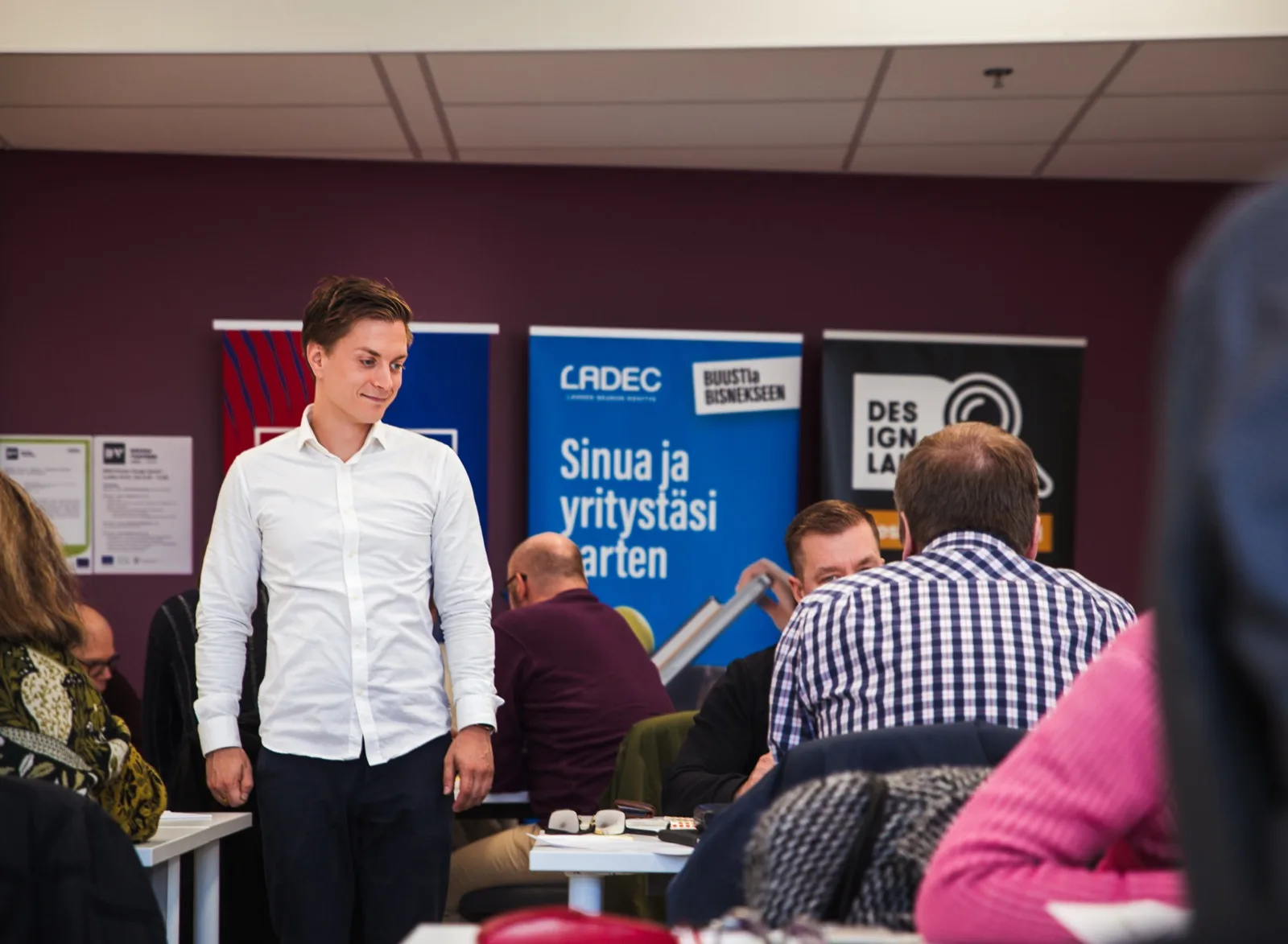



There is a common failure mode in product and service teams: everybody says the customer matters, but the customer is not actually present when decisions are made.
What shows up instead is an internal version of the customer.
Support talks about pain points. Sales talks about objections. Product talks about priorities. Leadership talks about strategy. Everyone is referring to the same market, but each function is holding a different fragment of reality.
A customer research workshop exists to fix that.
Not by creating another research deliverable.
By getting the right evidence into the room in a way that changes what the team does next.
The problem is usually not “we need more research”
Often the signal already exists.
It is in:
- interview recordings
- support tickets
- sales calls
- workshop notes
- customer emails
- people inside the company who have been listening for years
The problem is that this signal is fragmented. It does not become one shared decision-making moment.
That is what happened in the engineering-company case study. The product team had spent two years building in isolation. Support and customer-facing people had already heard what users needed. One user even arrived with their own proposed flow. The knowledge was not missing. The system for surfacing it was.
Good customer research workshops are about surfacing that signal, organizing it, and making it impossible to ignore.
What the workshop should do
It should not end in “great discussion.”
It should end in:
- a clearer problem definition
- better shared language
- sharper priorities
- a decision about what to test, redesign, or stop
That means the workshop has to be built around a real decision.
Examples:
- Which user pain point matters most right now?
- What part of the journey is worth redesigning first?
- Which assumptions should the team test next?
- Where is the gap between what the company thinks users need and what users actually describe?
Without that decision frame, workshops turn into summary rituals. People leave with good intentions and no changed behavior.
Why direct customer evidence changes the room
When the team hears the customer second-hand, politics stays intact.
When the team sees a clip, hears an interview, or reads a blunt user statement together, the tone changes.
Defensiveness drops. Abstract debate gets replaced by something concrete.
That is why I like bringing direct evidence into the workshop whenever possible:
- short clips from interviews
- user quotes with context
- real workflow examples
- artifacts customers already use to compensate for product gaps
People can argue with each other. It is harder to argue with a clear user reaction.
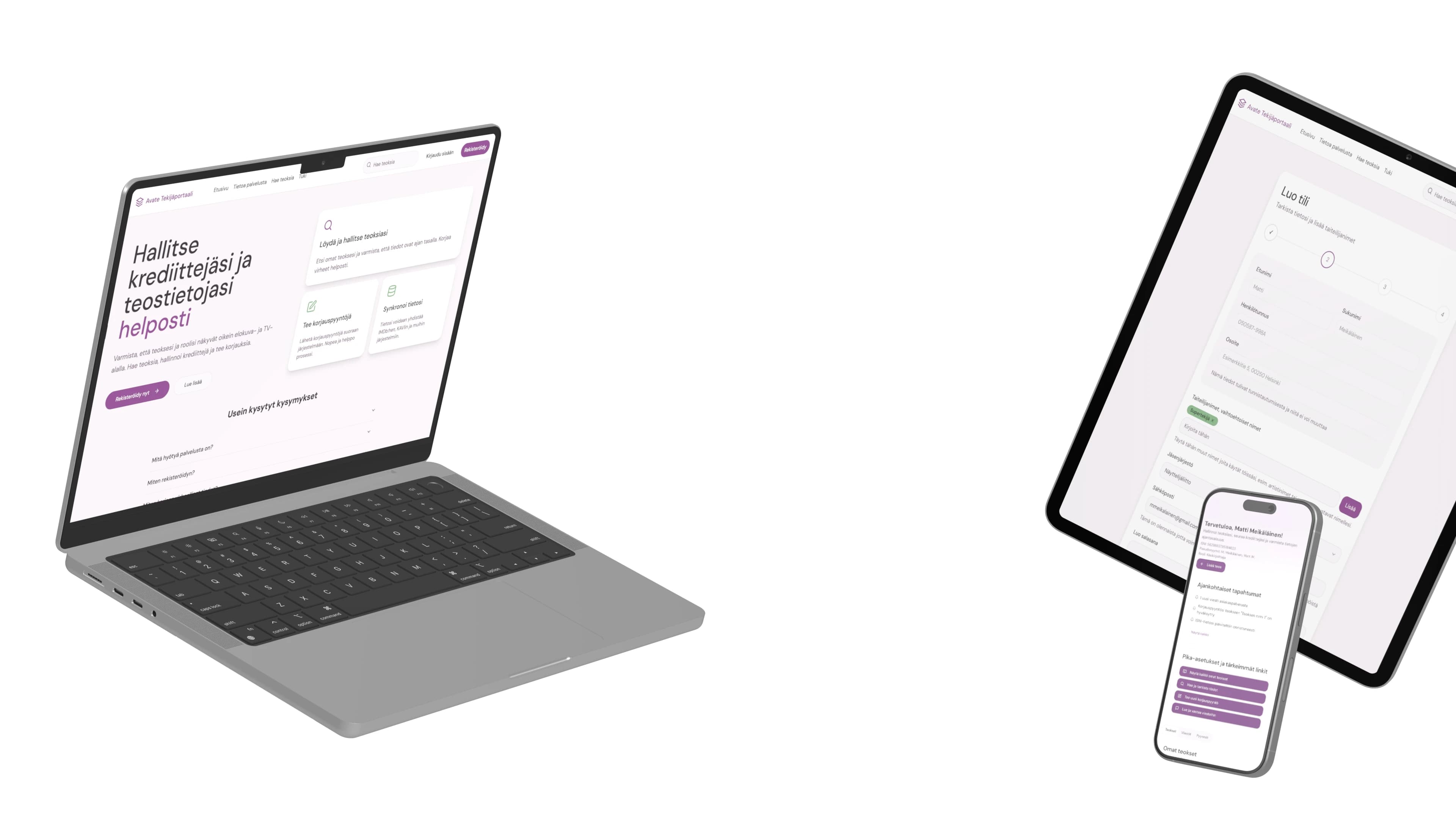
In Avate’s creator-portal work, the workshops surfaced what actually mattered most to the people involved: not abstract metadata management, but the practical need to correct credits and make sure people were attached to the right work with the right role. That insight simplified the MVP dramatically. The workshop did not produce more complexity. It removed it.
What a customer research workshop is good for
This format works best when the organization already has some access to user signal but cannot turn it into coherent action.
It is especially useful when:
- product, support, and sales are not aligned
- there is too much anecdotal feedback and no synthesis
- research has happened, but it did not change behavior
- leadership needs to see the evidence, not just hear summaries
It is also useful before a sprint. A workshop can prepare the ground so a later prototype or validation sprint starts from the right question rather than from internal guesswork.
Why outside facilitation matters here
Inside teams often know too much and see too little.
They know the history, the politics, the personalities, the half-finished plans, the reasons previous attempts failed. All of that context is useful. It is also what can stop a room from listening clearly.
An outside facilitator can do three things more cleanly:
- frame the workshop around the real decision
- bring different functions into the same conversation without one voice dominating
- translate insights into next-step action
That translation matters.
A workshop that only surfaces truth is not enough. The team needs help turning it into:
- what to validate next
- what to redesign
- what to deprioritize
- what capability gap inside the team needs to be addressed
What you leave with
At the end, the useful outcome is not “we learned a lot.”
The useful outcome is “we now know what to do.”
That may mean:
- running a validation sprint on a specific flow
- redesigning one part of a service journey
- changing how product and support share information
- reframing the roadmap around a more honest user problem
The best workshops also leave behind a habit. Teams start to recognize that good decisions come faster when customer evidence is present early.
That is the deeper value. Not a better meeting. A different relationship to user truth.